Lichen on Your Roof and Why It's So Stubborn
You've probably spotted the crusty grey-green blotches stuck to your roof, flatter and tougher than moss and welded on like paint. That's lichen, and if you've ever tried to scrape a bit off, you'll know it doesn't come quietly. It clings on where everything else washes away.
Lichen is the growth that beats most home cleaning attempts. It's not slime you can rinse or a clump you can lift. Knowing what it is and why it grips your Carlisle roof so hard explains why the usual tricks fail and what actually works.
The quick answer: Lichen is a tough organism, part fungus and part algae, that anchors its root-like threads into the roof surface, so it clings far harder than moss and needs a proper biocide treatment rather than scraping to remove it safely.
1. Lichen Is Two Organisms Working as One
Lichen isn't a single plant. It's a partnership between a fungus and an alga, living together as one tough organism. The alga makes food from sunlight, the fungus holds the structure and grips the surface, and between them they survive where almost nothing else can.
That partnership is why lichen is so hardy. It shrugs off dry spells, cold snaps, and the poor, bare surface of a roof tile. On the exposed roofs around Carlisle, out in the wind and wet, lichen settles in and gets comfortable for the long haul.
2. It Anchors Itself Into the Surface
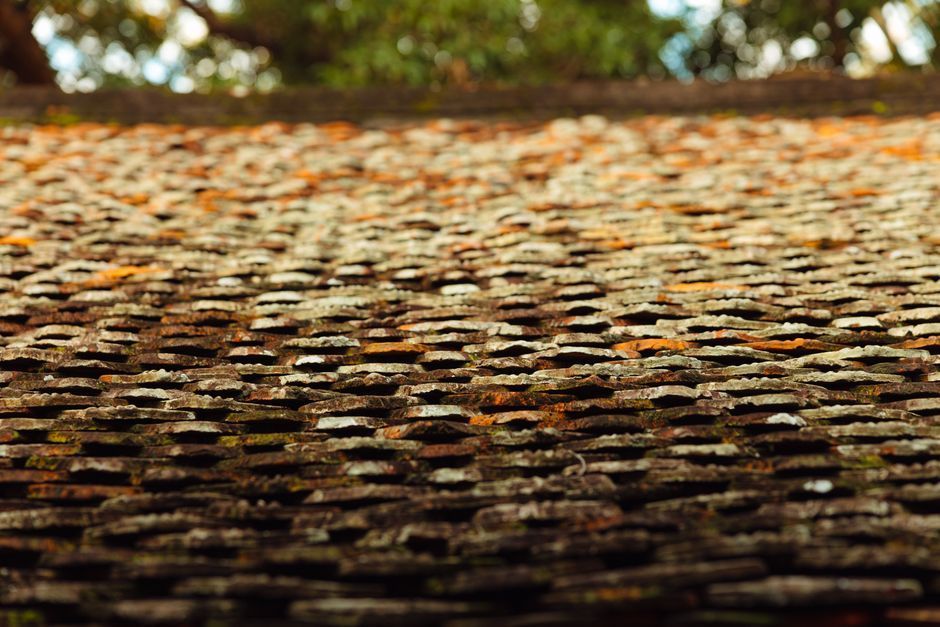
Moss sits on top of a roof. Lichen digs in. It sends fine root-like threads down into the tiny pits and pores of the tile or slate, gripping like a limpet on a rock. That's the crusty patch you can't just brush away.
On the older slate roofs across Denton Holme and Currock, those threads work their way into the natural texture of the stone. Try to prise the lichen off and you often pull a flake of the surface with it. The anchoring is exactly what makes it so hard to shift by hand.
3. Cumbria's Clean, Wet Air Suits It
Lichen is fussy about air quality, and clean air makes it thrive. Carlisle and the wider Cumbrian countryside have far less pollution than the old industrial cities, so lichen does well here. That crisp Solway air you enjoy is the same air lichen loves.
Pile the constant damp on top of the clean air and you've got a perfect home for it. The frequent rain keeps the alga fed and growing, while the roof rarely dries long enough to set it back. It's slow-growing, but on a Carlisle roof it never really stops.
4. Why Scraping Makes Things Worse
Reaching for a scraper or wire brush is the natural instinct, and it's the wrong move. Those anchoring threads mean you can't lift lichen cleanly. You gouge the tile, scratch the slate, and leave behind bits that grow straight back.
Damage the surface and you actually invite more growth. A scratched, pitted tile holds water and gives new lichen and algae extra grip. So the scraping that felt like progress leaves your roof rougher, wetter, and quicker to grow the next crop.
5. Pressure Washing Isn't the Answer Either
A jet powerful enough to blast rooted lichen off a tile is powerful enough to wreck the tile. High pressure strips the weathered surface, cracks older slate, and drives water up under the laps into the felt below. On a tall Carlisle terrace, that water can end up in your loft.
Even after all that force, the lichen often wins. Bits of the threads survive down in the pores, and the colony regrows from what's left. You've risked real damage to the roof and still not solved the problem underneath.
6. The Slow, Proper Way to Kill It
Lichen doesn't respond to brute force, it responds to the right treatment and patience. A soft wash lays a biocide over the growth at low pressure, and the chemistry does the work the scraper can't. It kills the fungus and alga together, threads and all.
The key is not rushing it. After treatment the dead lichen loosens over weeks and months and weathers off in the Cumbrian rain, so the roof clears without anyone gouging at the tiles. Over 15 years of working on local roofs, this slow-kill approach is the only one that clears lichen without leaving the surface worse than before.
- What it is: A fungus and alga living as one tough, hardy organism.
- How it grips: Root-like threads anchor into the pits of tile and slate.
- Why here: Clean Cumbrian air plus constant damp suits it perfectly.
- Never scrape: Scraping gouges the surface and speeds up regrowth.
- What works: A biocide soft wash that kills it, then lets rain weather it off.
Frequently Asked Questions
Is lichen worse for my roof than moss?
In different ways. Moss holds more water and blocks gutters faster, but lichen grips harder and is far tougher to remove. Both keep the roof damp, and lichen's threads can pit the surface over many years.
Why won't lichen just wash off in the rain?
Because it's anchored in, not sitting on top. Those root-like threads hold it against wind and rain that would carry loose dirt away. Rain actually helps it, keeping the alga fed and growing.
Can I scrape lichen off myself?
You can try, but you'll likely damage the tile and it'll grow back. Scraping pulls flakes off the surface and leaves threads behind, so it makes the roof rougher and quicker to regrow. A biocide treatment is the safer route.
Does lichen mean my roof is old or failing?
Not necessarily. Lichen grows on sound roofs too, especially in clean, damp air like Cumbria's. It's a sign of the local conditions more than a sign your roof is on its way out.
How long before treated lichen disappears?
Weeks to a few months. The biocide kills it, then the dead growth loosens and weathers off gradually in the rain. It's slower than a scrub, but it clears without damaging the roof, and it stays gone longer.
Struggling with stubborn lichen?
Ben's Roof Cleaning handles roof cleaning, moss removal and gutter cleaning across Carlisle and Cumbria, with over 15 years of experience. Get in touch or call 07889 127153
for a free, no-obligation quote.
Patience Beats Brute Force With Lichen
Lichen is built to hang on, so trying to rip it off only harms your roof. The trick isn't more force, it's the right treatment and a bit of time. Kill it properly and let the Carlisle weather do the rest, and those crusty patches finally let go without taking your tiles with them.