What Happens During a Soft Wash, Step by Step
You've heard soft washing is the gentle way to clean a roof, but you're not sure what actually happens on the day. Will there be scaffolding? A pressure washer roaring away? Someone up on your slates for hours? It helps to know before you book.
Soft washing isn't a mystery once you see it laid out. From the first look at your roof to the biocide going down, each step has a reason behind it. Here's how a proper soft wash unfolds on a Carlisle home, start to finish.
The quick answer: A soft wash starts with a survey, then gutter and debris clearing, careful moss removal by hand, and finally a low-pressure biocide treatment that kills algae and moss at the root and keeps working for months after the crew leaves.
1. The Survey Comes First
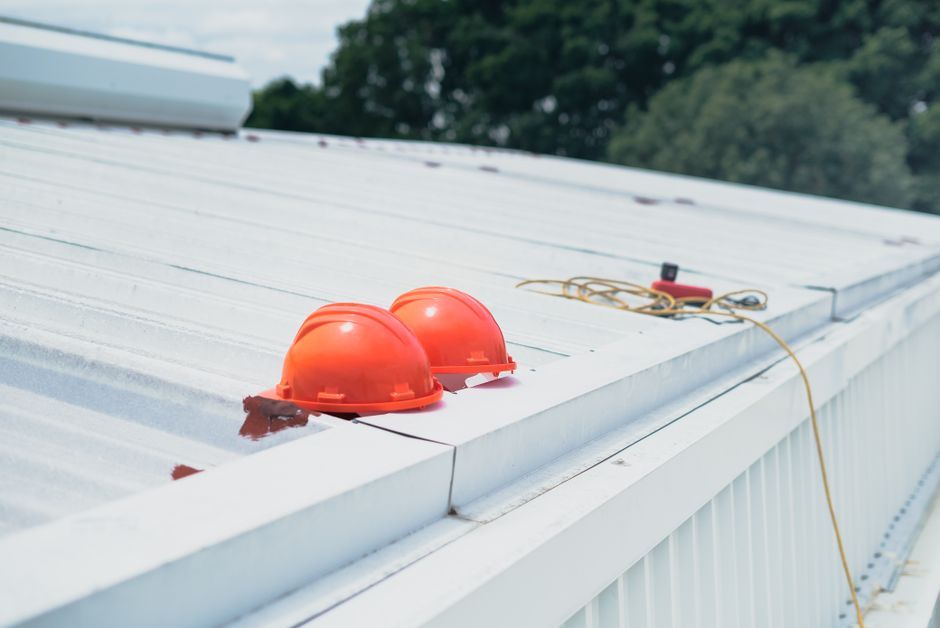
Before anyone touches the roof, it gets a proper look. A survey checks the tile or slate type, the pitch, how bad the moss and algae are, and where the safe access points sit. On a two-storey terrace in Stanwix that means working out ladder or tower positions long before the cleaning starts.
This is also when any loose slates, cracked ridge mortar, or blocked valleys get spotted. There's no point treating a roof that's about to leak. The survey shapes the whole job, so the plan fits your roof rather than a one-size approach.
2. Protecting the Ground and Plants
Good prep saves your garden. Before the water and treatment go on, plants, paths, and drains near the work area get covered or damped down. Carlisle's older terraces often have small front gardens and tight yards, so this matters more than people expect.
Downpipes and drains get an eye kept on them too, since runoff has to go somewhere sensible. A tidy setup means the biocide does its job on the roof and nowhere it shouldn't. It's the unglamorous step that keeps everything else clean.
3. Clearing the Gutters and Loose Debris
Gutters get cleared early, because moss knocked off the roof will wash straight into them. Handfuls of rotted leaves, grit, and old moss come out first, especially the kind that builds up fast near the tree-lined streets around Botcherby and along the Petteril.
Clearing first also lets the water from the wash drain away properly instead of pooling in a blocked gutter. It's about sequence. Do the debris now and the rest of the job runs clean, with nothing backing up over the edge onto the wall below.
4. Removing the Moss by Hand
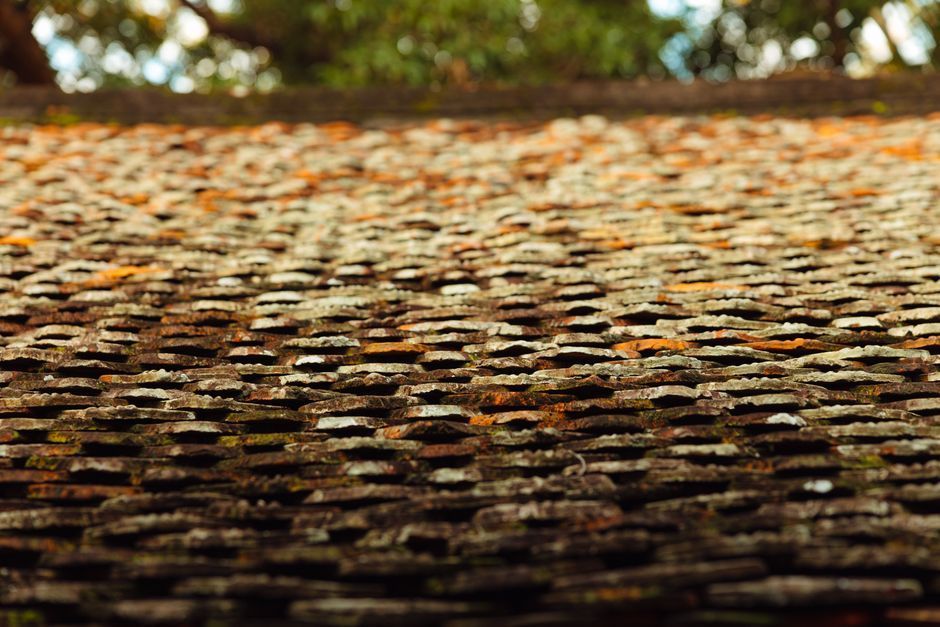
Thick moss doesn't get blasted, it gets lifted. The crew works down the roof with hand tools, gently scraping the heavy clumps off the slates without gouging the surface. On a damp Carlisle roof the moss can be surprisingly deep on the shaded north slope.
Working by hand and at low pressure is what sets soft washing apart from a jet blast. The slate stays intact, the laps stay sealed, and the moss ends up in the gutter or on the ground, ready to clear. It's slower, but it's kind to the roof.
5. Applying the Biocide Treatment
Now the part that makes it last. A biocide is applied across the whole roof at low pressure, soaking into the surface and reaching the algae, lichen, and moss spores left behind. This is the step that kills the growth at the root rather than just clearing what you can see.
The treatment isn't rinsed off. It's left to work, and over the following weeks it keeps killing spores and slows regrowth right down. In Cumbria's damp air, where growth comes back fast, that lingering protection is the whole point of soft washing.
6. The Weeks After the Crew Leaves
Your roof won't always look perfect the moment the van pulls away, and that's normal. Some dead algae and lichen keep weathering off for weeks as the rain does its work. A roof that was heavily stained often carries on clearing well after the visit.
What you'll notice is the roof getting cleaner on its own, not dirtier. The biocide keeps working long after the job, so the improvement builds rather than fades. Over 15 years of soft washing local roofs, that slow, lasting clear-up is exactly what you're paying for.
- Survey: Check tile type, pitch, moss severity, and safe access first.
- Protection: Cover plants, paths, and drains near the work area.
- Gutters: Clear debris early so wash water drains freely.
- Moss removal: Lift heavy clumps by hand, never by high pressure.
- Biocide: Low-pressure treatment that keeps killing growth for months.
Frequently Asked Questions
How long does a soft wash take?
Most homes take a day, sometimes less. A large or heavily mossed roof, or a tricky two-storey terrace with awkward access, can run longer. The survey gives you a realistic timing before work starts.
Will the roof look clean straight away?
Partly. The moss and loose growth come off during the visit, but dead algae and lichen keep weathering away for weeks. A badly stained roof carries on clearing after the crew has gone.
Is soft washing safe for old slate?
Yes, that's the point of it. Low pressure and hand removal protect the weathered surface, which is why it suits the older slate roofs across Carlisle far better than a pressure washer.
Do I need to be home during the work?
Not usually, as long as the crew has access to the roof, gutters, and an outside water supply. Many people pop out and come back to a treated roof, though it's fine to stay too.
Why isn't the biocide rinsed off?
Because it's meant to keep working. Left on the roof, it carries on killing spores and slowing regrowth for months. Rinsing it away would throw out the protection you're paying for.
Ready to book a soft wash?
Ben's Roof Cleaning handles roof cleaning, moss removal and gutter cleaning across Carlisle and Cumbria, with over 15 years of experience. Get in touch or call 07889 127153
for a free, no-obligation quote.
A Gentle Process That Keeps On Working
Soft washing looks calm from the pavement because it's meant to be. No roaring jet, no gouged slates, just careful removal and a treatment that does the real work over time. Once you've seen the steps, it's easy to understand why it suits Carlisle roofs and why the results outlast a quick blast.