Chimney, Flashing and Ridge: The Bits People Forget
When you think about your roof, you probably picture the broad slopes of slate or tile. You don't tend to think about the chimney stack, the strips of lead around it, or the line of tiles running along the very top. Yet those are exactly the spots where roofs let water in first, and they're the bits most people never give a second glance until there's a stain on the ceiling.
In Carlisle, where wind-driven rain gets at every joint and seam a roof has, these details take a hammering. They're small parts of the whole roof, but they do a big job, and when they fail the damage tends to show up inside your home rather than out. Here's a look at the chimney, the flashing and the ridge, why they matter, and why they deserve attention when the roof gets cleaned or checked.
The quick answer: Chimneys, flashing and ridge tiles are the roof's weak points where water gets in, so they need checking and keeping clear of moss just as much as the main slopes do.

1. Why These Details Get Overlooked
The main slopes of a roof are big, visible and easy to judge from the ground, so that's what catches the eye when moss starts to spread. The chimney, the flashing and the ridge are smaller, higher up and harder to see clearly, so they slip out of mind. Most people simply never look at them closely.
That's a problem, because these are the parts where different bits of the roof meet, and joints are always the vulnerable spots. A slope of sound slate can shrug off Carlisle's weather for decades, but the seam where the slate meets a chimney is a different story. The bits you can't see are usually the ones quietly causing trouble.
2. The Chimney Stack and Its Mortar
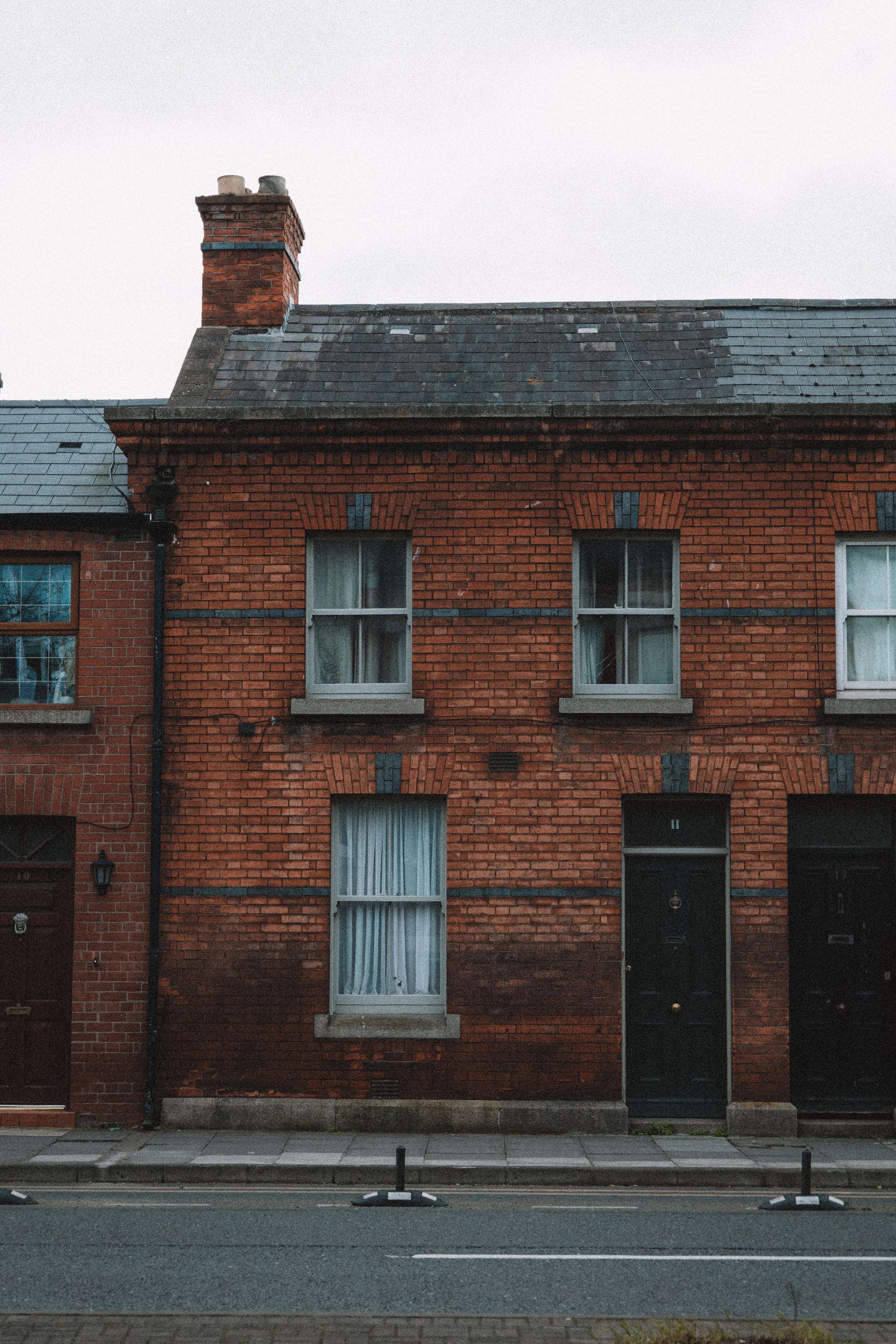
Plenty of older Carlisle homes, especially the red sandstone terraces, still have their original chimney stacks, and they take the full force of the weather up there. The mortar joints between the bricks or stone weather over time, and in a wet, windy spot like this they can crack, crumble and let water track down into the stack and the roof below.
Moss and plant growth like to colonise the damp mortar and the ledges around a chimney too, holding yet more moisture against it. When a roof is cleaned, the chimney is worth a proper look, because soft, failing mortar or a stack that's greened over is a sign it needs attention before the damp finds its way indoors. It's easy to clean the slopes and ignore the stack, but the stack is often where the real risk sits.
3. Flashing: The Metal That Seals the Joints
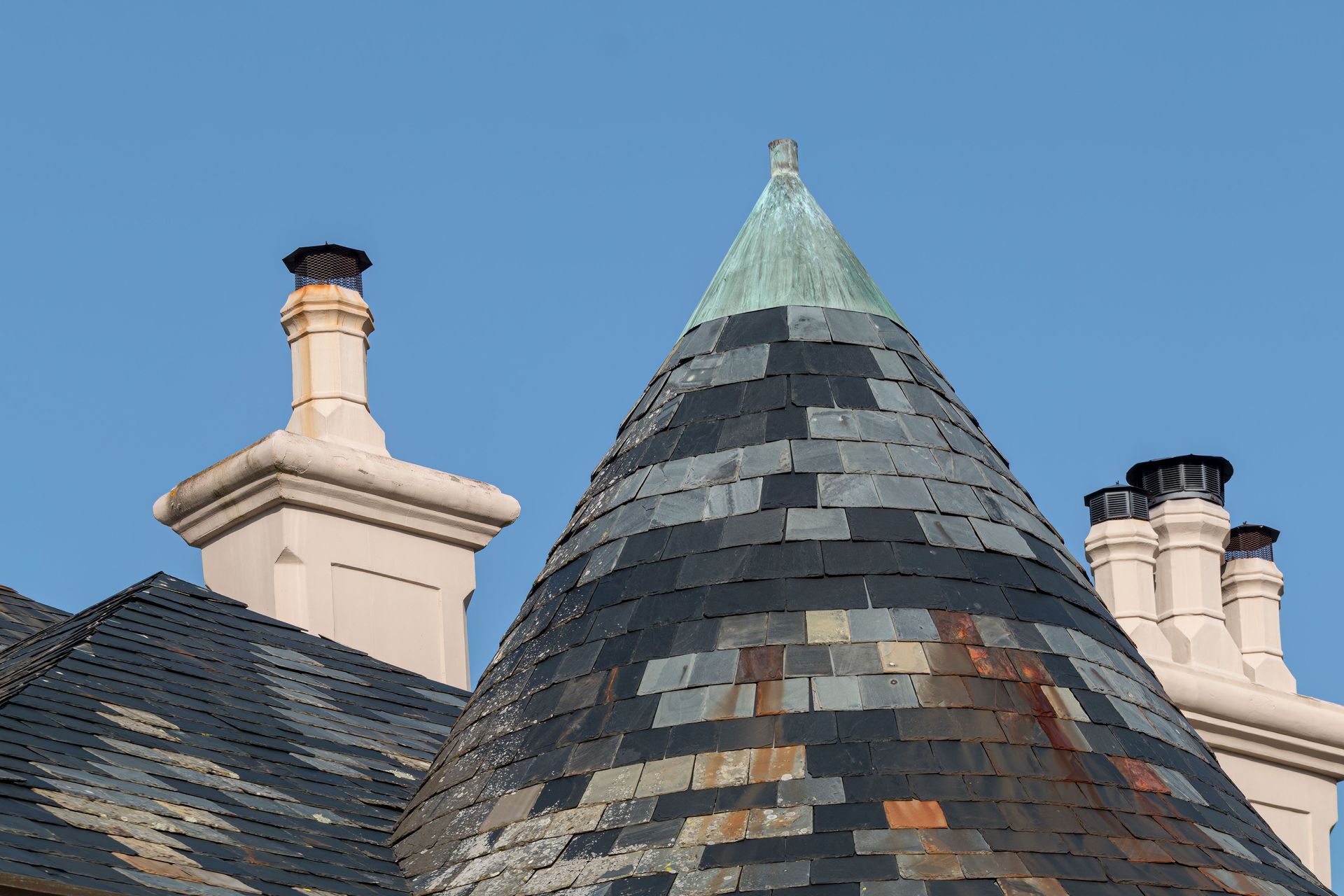
Flashing is the metal, usually lead, that seals the joins where the roof meets a chimney, a wall or a valley. It's a small detail doing a critical job: bridging the gap so water runs off instead of soaking in. When it's sound, you never think about it, and when it fails, you get a leak that's often mistaken for something else entirely.

Flashing can lift, crack or pull away over the years, and the constant wind that funnels through the Eden and Solway lowlands works at any loose edge. Debris and moss building up around it makes things worse by trapping water right at the joint. A good roof check looks at the state of the flashing, because a small repair here heads off a much bigger damp problem later.
4. Ridge Tiles Along the Top
The ridge is the line of tiles capping the very top of the roof where the two slopes meet, and traditionally they're bedded on mortar. That mortar is exposed to everything the sky throws down, and over the years it cracks and loosens. Once it does, ridge tiles can shift, and in a Carlisle gale a loose ridge tile is both a leak risk and a genuine hazard to whatever is below.
Moss loves the ridge line, rooting into the old mortar bedding and prising it apart as it grows. When a roof is being cleaned, clearing the ridge and checking that each tile is still firmly bedded is an important part of the job. A secure ridge keeps the weather out at the roof's most exposed point, which in this climate is no small thing.
5. How the Weather Targets the Weak Points
Carlisle doesn't just get a lot of rain, it gets rain driven sideways by wind coming off the Solway Firth. That wind-driven wet is far more searching than rain falling straight down, because it's pushed against every vertical face and into every joint on the roof. The chimney, the flashing and the ridge are precisely the details in its firing line.
Winter adds the freeze-thaw problem. Water gets into a hairline crack in mortar or under a lifted flashing, freezes, expands and opens the gap a little wider, then does it again the next cold night. Over a Cumbrian winter that cycle turns a tiny fault into a real one, which is why catching these things early is so worthwhile.
6. Making Sure They Don't Get Missed
The simplest way to protect these weak points is to make sure they're part of any roof clean or inspection, not an afterthought. When someone is up there dealing with the moss, it costs little for them to cast an eye over the chimney mortar, the flashing and the ridge and flag anything that's starting to go. That early warning is worth a great deal.
Keeping moss cleared off these areas helps too, because it stops the growth trapping water against the very joints you most need to keep dry. A roof clean that includes the details, rather than just the easy slopes, gives you a far truer picture of your roof's health. In Carlisle's weather, the details are usually where the story starts.
- Chimney mortar: Cracked or crumbling joints let water track into the stack and roof.
- Flashing: Lifted or damaged lead at joints is a common and easily missed leak source.
- Ridge tiles: Loose bedding means slipped tiles, leaks and a hazard in high winds.
- Wind-driven rain: Carlisle's sideways rain targets every vertical face and joint.
- Include the details: A proper clean checks these spots, not just the main slopes.
Frequently Asked Questions
Why do leaks so often start at the chimney or flashing?
Because those are joints where different parts of the roof meet, and joints are always weaker than a continuous slope. Water finds the seam where slate meets a stack or wall far more easily than it gets through sound tiles.
Can moss really cause damage around the ridge and chimney?
Yes. Moss roots into the mortar bedding and joints, holding water against them and helping to prise them apart over time, which speeds up the cracking and loosening that lets water in.
How would I know if my flashing has failed?
Often the first sign is a damp patch on an upstairs ceiling or wall near a chimney breast. From outside you might spot lead that's lifted, slipped or cracked, though it usually takes a closer look to be sure.
Should ridge tiles be checked during a roof clean?
They should. Clearing moss from the ridge and checking each tile is still firmly bedded is a sensible part of the job, since loose ridge tiles are both a leak risk and a danger in Carlisle's strong winds.
Is repairing these details something you handle?
Our work is roof cleaning, moss removal and gutter cleaning, and part of that is spotting and flagging problems like failing mortar or lifted flashing so you can get them sorted before they turn into a leak.
Want the whole roof looked at, not just the easy bits?
Ben's Roof Cleaning offers roof cleaning, moss removal and gutter cleaning across Carlisle and Cumbria, with over 15 years of experience. Get in touch or call 07889 127153
for a free, no-obligation quote.
The Small Details Hold the Roof Together
It's the chimney, the flashing and the ridge that decide whether your roof keeps the weather out, far more than the wide expanse of slate that gets all the attention. These are the joints and edges where Carlisle's wind-driven rain probes for a way in, and they reward a bit of care. Keep them clear and keep an eye on them, and you deal with the small problems long before they turn into the stain on your ceiling.