How Often Should You Really Clean Your Roof?
You probably don't think about your roof until something looks wrong. A green tinge creeping across the slates, a gutter that overflows every time it rains, or a neighbour who just had theirs done and now yours looks tired by comparison. In a city like Carlisle, where the rain barely lets up from one week to the next, that moment tends to come sooner than most people expect.
So how often should you actually get your roof cleaned? It's a fair question, and the honest answer isn't a single number stamped on every house. It depends on what your roof is made of, how much shade and tree cover it gets, and how hard the Cumbrian weather is working against it. Let's walk through what really drives the timing so you can make a sensible call for your own home.
The quick answer: Most roofs in and around Carlisle benefit from a proper clean every two to three years, with a light gutter clear and visual check every year to catch problems early.

1. Why Carlisle's Climate Sets the Clock
Carlisle sits right in the path of wet westerly winds coming off the Irish Sea and the Solway Firth, and it's one of the damper cities in England. All that moisture is exactly what moss, algae and lichen want. They don't need soil, just a cool, wet surface that stays shaded, and a north-facing slope on a Stanwix semi or a Denton Holme terrace gives them a near-perfect home.
That constant damp is why roofs here green over faster than they would in a drier part of the country. A roof that might go five years between cleans in the south east often needs attention in half that time near the Eden valley. The rain isn't going anywhere, so the realistic goal is staying ahead of the growth rather than waiting for it to take over.
2. Your Roof Material Changes the Answer
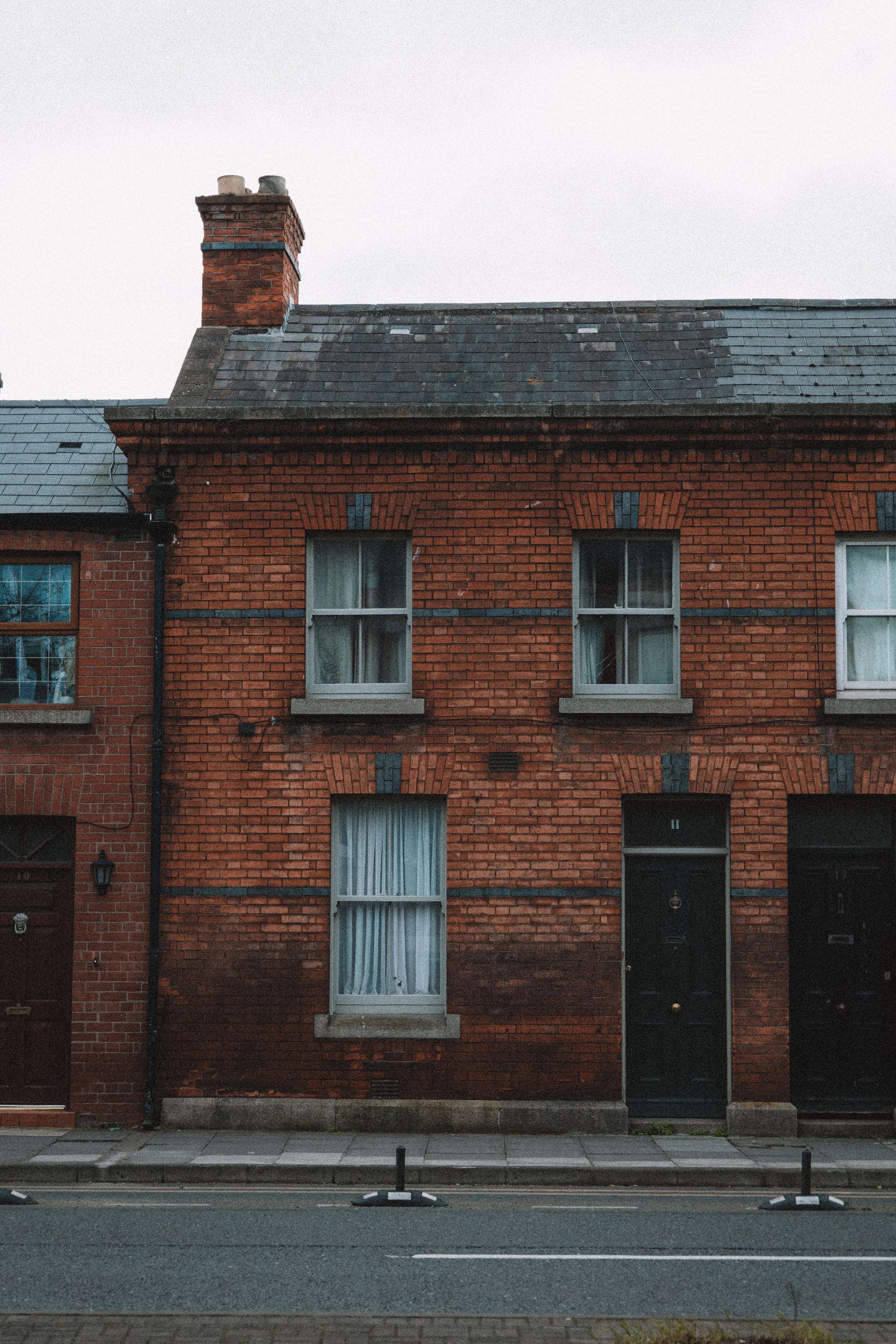
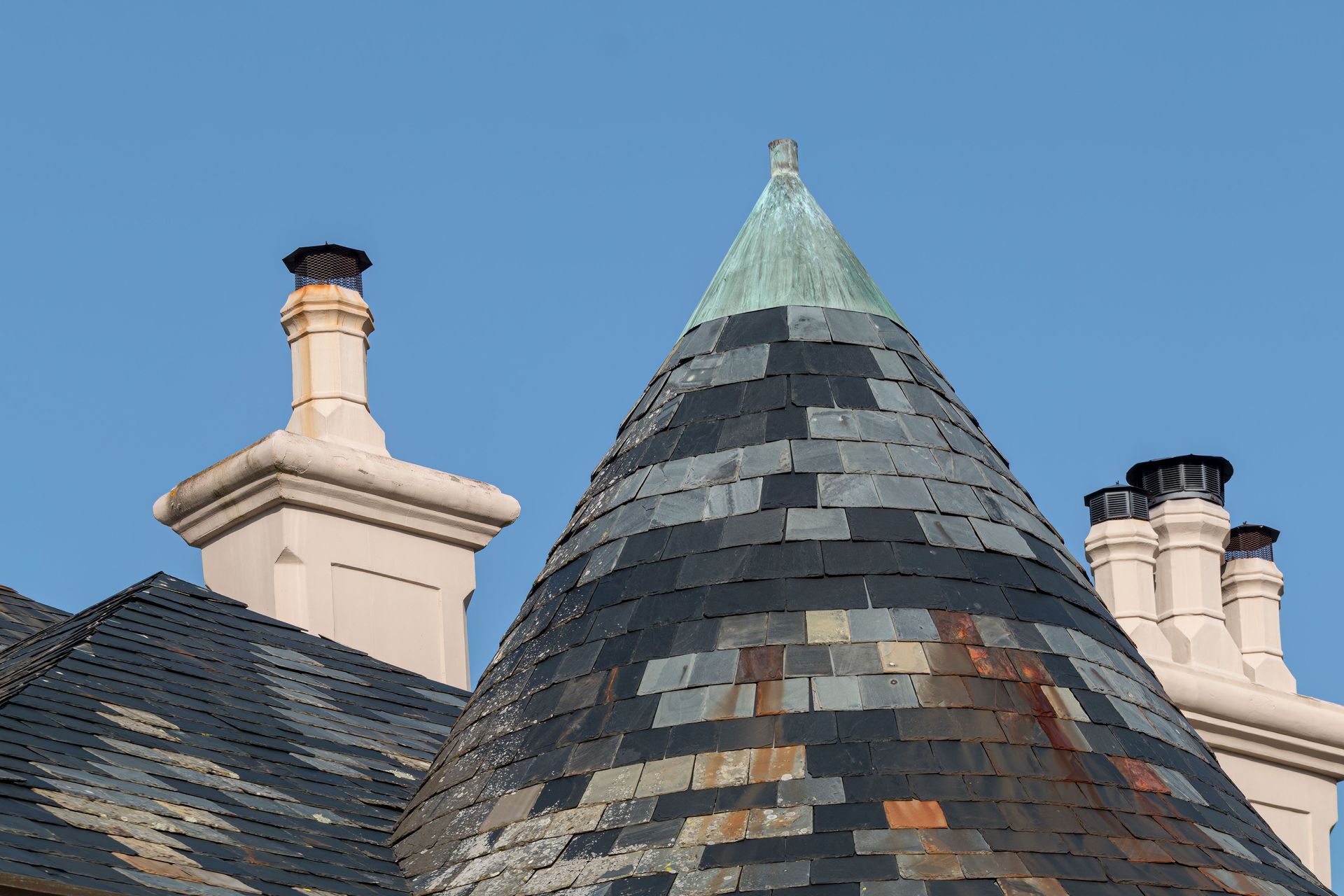
What sits on top of your rafters matters a lot. Many of Carlisle's older red sandstone terraces wear natural slate, which is dense and smooth and sheds water fairly well, but the gaps and nail lines still trap enough moisture for moss to gain a footing over time. Slate rewards a gentle, low-pressure approach and a longer gap between cleans if it's kept on top of.
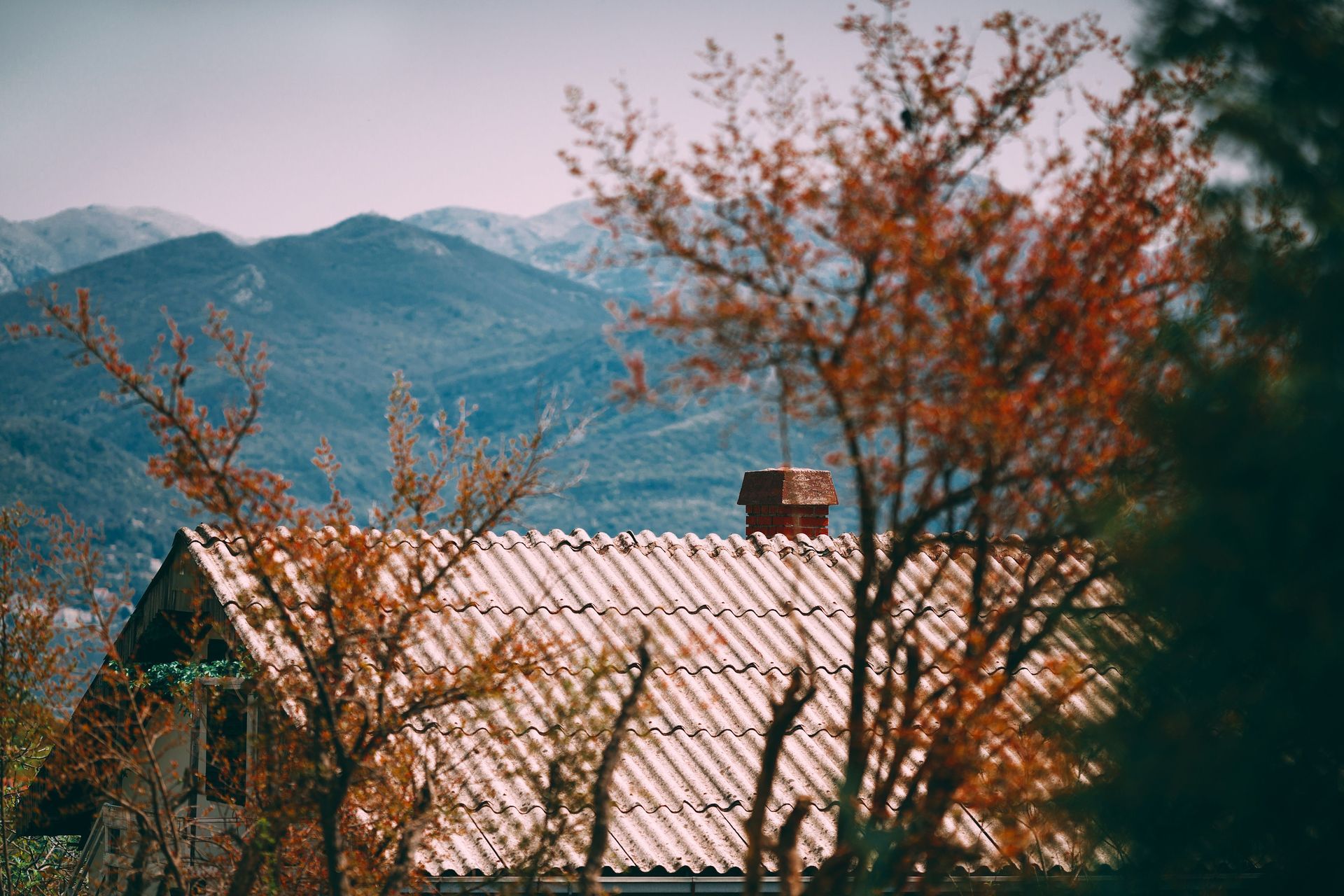
The postwar estates around Harraby, Upperby and Morton are more likely to have concrete interlocking tiles. Those have a rougher surface and an open profile, so they hold water and grit and tend to grow moss quicker than slate. If your home is one of these, you'll probably find yourself nearer the two-year end of the range than the three-year end.
3. Shade, Trees and Which Way You Face
Two identical houses on the same street can need cleaning on very different timetables, and it usually comes down to light and trees. A roof shaded by a tall sycamore or sitting in the shadow of a neighbouring building stays damp for longer after every shower, and damp is what feeds the growth. Leafy older streets around Stanwix and the outskirts toward Wetheral are classic examples.
Aspect plays its part too. South-facing slopes dry out between downpours and stay cleaner for longer. North-facing ones rarely get the sun they'd need to dry properly, so they green over first. Walk around your own house and you'll often see one side looking fine while the other is thick with moss, and that tells you where the attention needs to go.
4. What Happens If You Leave It Too Long
Skipping cleans for years doesn't just look bad, it costs you. Thick moss holds water against the tiles and slates, and in a Carlisle winter that trapped water freezes, expands and works away at the surface. Freeze-thaw cycles are hard on any roof covering, and they're relentless here from November through February.
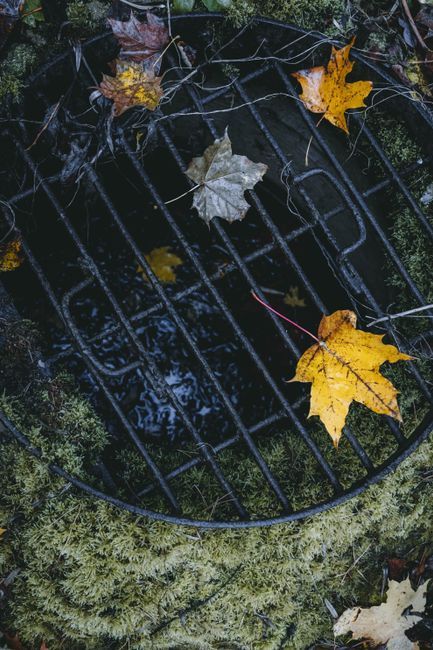
Loose moss also washes down into the gutters, and once they clog, water backs up and spills down the walls instead of draining away. Given how much rain the city gets, and given the flooding this area has seen from the Eden and the Caldew, keeping water moving off and away from your house is not something to shrug off. A neglected roof quietly creates the very damp problems people dread inside.
5. Signs You've Left It Longer Than You Should
You don't need to climb up to judge the state of things. From the ground you can usually spot green or black staining across the slates, clumps of moss sitting proud along the ridges, or bits of it dropping onto the drive and into the borders. Any of those means the growth is well established.
Gutters tell the story too. If they're overflowing in heavy rain, sprouting little tufts of green, or you can see grit and debris sitting along the front edge, your roof has been shedding material for a while. On a wet Carlisle afternoon, standing across the road and looking up for a couple of minutes will tell you most of what you need to know.
6. Building a Simple Routine That Works Here
The easiest way to stay ahead is to split it into two habits. Once a year, ideally in autumn once the leaves are down, get the gutters cleared and have someone cast an eye over the whole roof for slipped slates, moss build-up and any early staining. That yearly check is cheap insurance against bigger bills.
Then, every two to three years depending on your material and how shaded you are, book a full soft wash to strip the moss and algae back properly. A biocide treatment afterwards slows the regrowth, which stretches the gap between cleans and makes the whole thing easier to manage. Set against a Cumbrian climate that never really dries out, a steady routine beats waiting for a crisis every time.
- Slate roofs: Often fine at the two to three year mark if kept on top of, thanks to their smoother, denser surface.
- Concrete tiles: Usually closer to every two years, since the rougher profile holds damp and moss more readily.
- Shaded or north-facing roofs: Clean more often, as they stay wet longer and green over first.
- Gutters: Clear and inspect once a year, autumn is ideal, to stop overflow and wall damp.
- After a clean: A biocide treatment helps hold the moss back and buys you extra time.
Frequently Asked Questions
Can I just leave my roof alone if it looks fine from the street?
It's risky to rely on a quick glance from the ground. Early moss and algae often take hold on the shaded rear slope first, well out of sight, so a proper look from a safe vantage or by a professional catches problems the front view misses.
Does cleaning my roof too often cause damage?
Not when it's done gently. Low-pressure soft washing is safe to repeat, and the real damage comes from aggressive pressure washing or from leaving moss to grow unchecked for years, not from sensible, regular care.
Is autumn the best time to have it done in Carlisle?
Autumn is a good window because the leaves have dropped and you're getting ahead of winter, but soft washing can be carried out through most of the year. The main thing is not to let another wet season pass with a roof full of moss.
Will one clean keep my roof clear for good?
No single clean lasts forever in this climate. Given how much moisture blows in off the Solway, moss will always try to return, which is why a treatment afterwards and a repeat every couple of years is the realistic plan.
How do I know if it's moss or something more serious?
Moss and algae are surface growth and clean off. Cracked or slipped slates, sagging areas or damp patches indoors point to something structural, and those are worth having looked at properly rather than just washed over.
Not sure when your roof was last cleaned?
Ben's Roof Cleaning offers roof cleaning, moss removal and gutter cleaning across Carlisle and Cumbria, with over 15 years of experience. Get in touch or call 07889 127153
for a free, no-obligation quote.
The Right Rhythm Keeps Small Problems Small
Cleaning your roof isn't about chasing perfection, it's about staying one step ahead of a climate that's always pushing moss and damp back onto your slates. Get into the habit of a yearly gutter clear and check, book a proper wash every two to three years, and you'll spend far less over the life of your roof than the person who waits until water is running down the wall. In Carlisle, that steady rhythm is simply the sensible way to look after a home.