Cleaning Moss Off a Flat or Low-Pitch Roof
You've probably got more flat or low-pitch roof than you think. The kitchen extension, the garage, the porch, that single-storey addition off the back: all the bits that don't get much attention until moss starts spreading across them like a green carpet. In Carlisle, with its steady damp and long wet spells, those low roofs green over faster than the steep slate you can see from the street.
Cleaning moss off a flat or low-pitch roof isn't quite the same job as tackling a normal pitched roof, and getting it wrong can turn a cosmetic problem into a leak. Before you climb up with a stiff brush, it's worth understanding why these roofs collect so much growth and how to clear it without doing harm. Here's what you need to know.
The quick answer: Flat and low-pitch roofs hold water and debris, so moss thrives on them, and they need gentle, careful cleaning rather than scraping or pressure to avoid damaging the waterproof surface.

1. Why Low Roofs Grow So Much Moss
A steep roof sheds water quickly and dries between showers, which keeps moss in check. A flat or shallow roof does the opposite. Water sits on it, drains slowly and leaves the surface damp for hours or days after rain, and in Carlisle that means it's rarely properly dry from one week to the next. That constant moisture is a standing invitation for moss and algae.
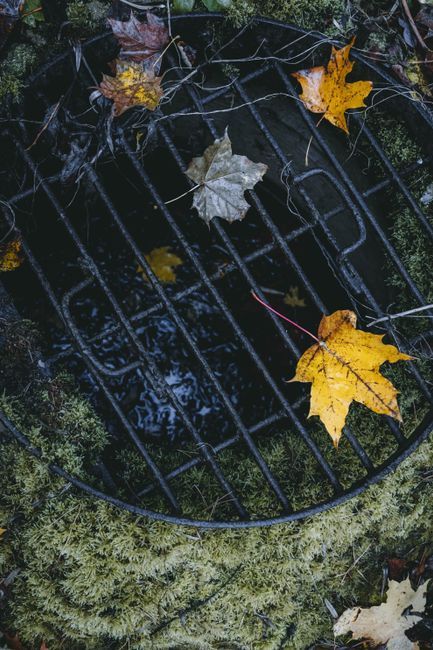
Debris makes it worse. Leaves, grit and dust settle on a flat roof instead of washing off, and they hold even more water and give moss something to root into. A low extension roof tucked beside a wall or under a tree, common enough in older Carlisle terraces with rear additions, collects the lot and turns green in no time.
2. The Damage Moss Can Do Up There
On a flat roof, moss isn't just untidy, it interferes with drainage. A thick mat of it dams up the water that's meant to run to the outlet, so you end up with pools sitting on the surface for longer. Standing water is the enemy of any flat roof covering, working at seams and joints and finding any weakness in the waterproofing.
Through a Carlisle winter that trapped water freezes and thaws over and over, and that movement stresses felt, rubber and fibreglass surfaces alike. Moss roots also creep into tiny gaps and seams, slowly opening them up. Left long enough, what started as a green film becomes the reason your extension ceiling has a damp patch.
3. Why You Shouldn't Just Blast It Off
It's tempting to point a pressure washer at a mossy flat roof and be done in an afternoon, but that's how a lot of flat roofs spring leaks. The waterproof layer, whether it's felt, EPDM rubber or a coating, is often thinner and more vulnerable than roof tiles, and high pressure can tear it, lift seams or drive water underneath where you can't see it.
Aggressive scraping is just as risky. Digging moss out with a sharp tool can gouge the surface and puncture it. The safer approach is a gentle one: lifting the bulk of the growth carefully by hand or with a soft tool, then treating what's left so it dies back naturally. Patience beats brute force every time on these roofs.
4. The Gentler Way to Clear It
The sensible method starts with removing the loose, heavy moss by hand or with a soft brush, working gently so you don't disturb the surface underneath. Clearing the outlets and gutters at the same time matters, because there's no point freeing up the water only for it to sit against a blocked drain on a roof that already struggles to shed it.
After the bulk is off, a low-pressure soft wash with a suitable biocide treatment deals with the roots and the algae staining without stressing the covering. The treatment carries on working after the visit, killing off spores so the moss is slower to come back. On Carlisle's damp low roofs, that follow-on protection makes a real difference to how long the clean lasts.
5. Keeping It Off Once It's Gone
A flat roof will always be more prone to moss than a steep one, so the aim is to slow the return rather than expect it never to come back. Keeping the surface clear of leaves and debris is the biggest thing, because moss needs that trapped material and moisture to get going. A quick clear-off a couple of times a year goes a long way.
Making sure water actually drains is the other half. Checking that outlets are clear and the roof isn't ponding badly means the surface dries as fast as it can between the showers Carlisle throws at it. Combine that with a periodic treatment and you keep a low roof in far better shape than one that's left to fend for itself.
6. When to Call Someone In
Plenty of small, accessible porch or garage roofs can be kept tidy with a bit of care, but height and safety change the picture fast. A flat roof over a two-storey extension, or one you can't reach safely, isn't worth risking a fall for, especially on the greasy, wet surfaces you get in a Cumbrian autumn.
It's also worth bringing someone in when the moss is heavy, the roof is already ponding, or you're seeing any sign of damp below. At that point the job is as much about protecting the waterproofing as cleaning it, and a careful low-pressure clean with the right treatment protects a covering that's expensive to replace. Knowing when to hand it over saves money in the long run.
- Standing water: Flat roofs drain slowly and stay damp, which is exactly what moss wants.
- Debris traps: Leaves and grit collect on low roofs and feed the growth further.
- No pressure washing: High pressure tears felt and rubber and can cause leaks.
- Clear the outlets: Freeing drainage is as important as removing the moss itself.
- Treat to protect: A biocide slows regrowth on surfaces that green over quickly here.
Frequently Asked Questions
Can I pressure wash moss off my flat garage roof?
It's best avoided. Pressure washing can damage felt and rubber coverings and force water under the seams, so a gentle removal by hand followed by a soft wash and treatment is much safer for the roof.
Why does my extension roof grow moss so much faster than the main roof?
Because it's flat or low-pitched, it holds water and debris instead of shedding them. In Carlisle's damp climate that keeps the surface wet for long periods, which is ideal for moss, unlike a steep roof that dries quickly.
Will moss actually cause my flat roof to leak?
It can over time. By blocking drainage it leaves water sitting on the surface, and its roots work into seams and joints, both of which put stress on the waterproofing and can eventually let water through.
How often should a low-pitch roof be cleaned in Cumbria?
Clearing debris a couple of times a year helps, with a proper clean and treatment as needed, often every couple of years. Roofs under trees or in permanent shade will need looking at more frequently.
Is it safe to do a flat roof myself?
A low, easily reached porch or garage roof may be manageable with care, but anything at height or with heavy moss and ponding is better left to someone equipped to work safely, particularly on slippery wet surfaces.
Got a mossy flat or extension roof?
Ben's Roof Cleaning offers roof cleaning, moss removal and gutter cleaning across Carlisle and Cumbria, with over 15 years of experience. Get in touch or call 07889 127153
for a free, no-obligation quote.
Gentle Wins on a Low Roof
Flat and low-pitch roofs are simply harder work to keep clear than the steep slate above them, because everything that lands on them tends to stay put and stay wet. The trick in a place like Carlisle is to work with that, clearing debris, keeping the drainage moving and treating the surface gently rather than attacking it. Look after these overlooked roofs the careful way and they'll keep the rain out for a lot longer.